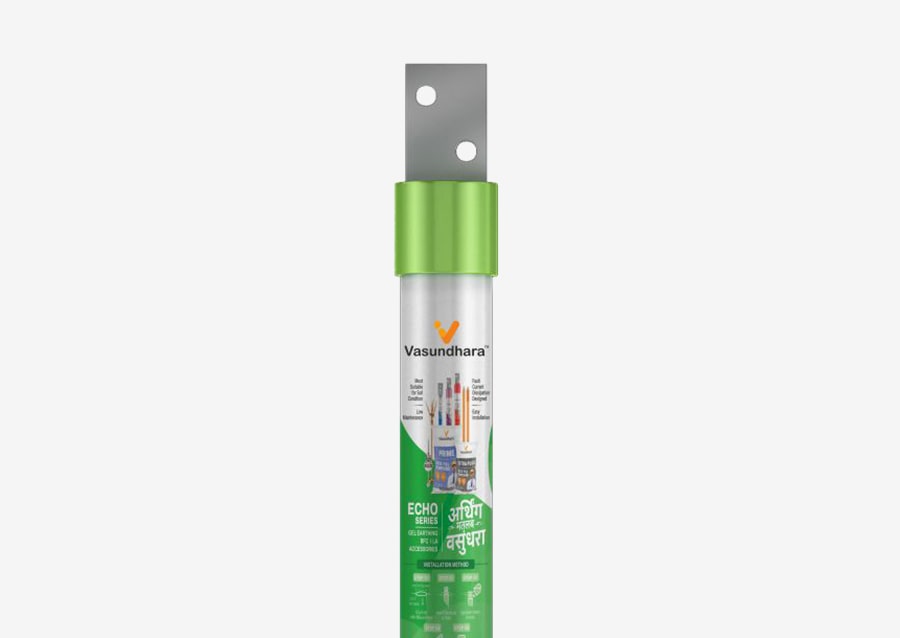
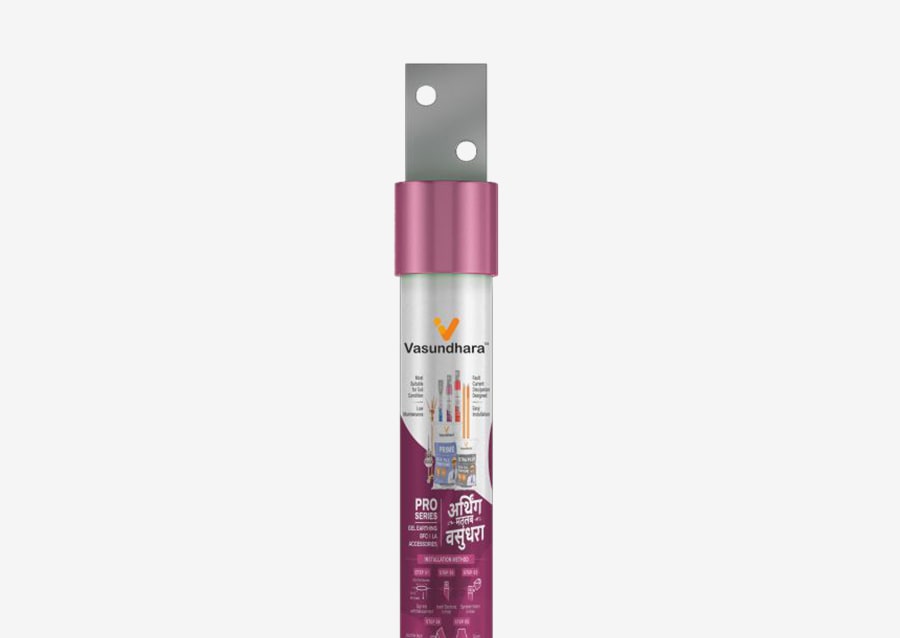
In any electrical installation, earthing is quite more than just a compliance requirement. It’s a safety mechanism that safeguards equipment and people when electrical faults occur due to voltage surge or fault current. When a fault current appears in the system, the grounding setup should provide a clear and low-resistance path for that current to move safely into the earth.
The challenge, however, is that soil conditions are rarely ideal. In many locations, soil can be dry, sandy, or rocky. These conditions increase ground resistance and reduce the effectiveness of standard earthing electrodes. That is where earthing compound powder becomes extremely useful.

Understanding the Role of Earthing Compound Powder
Earthing compound powder is usually used as a backfill material around grounding electrodes. Instead of relying entirely on the natural soil, technicians surround the electrode with this conductive compound during installation.
The compound fills small air gaps and forms a consistent layer around the electrode. This improves the physical and electrical contact between the electrode and the surrounding earth. With better contact, the current can easily pass into the ground.
Reducing Ground Resistance
One of the main reasons electrical engineers prefer earthing compound powder is its ability to reduce soil resistivity. Natural soil can lose moisture over time, especially in hot climates, which increases resistance.
Earthing compounds help maintain a stable conductive layer around the electrode. Because they retain moisture and remain chemically stable, they help keep the resistance level low for a longer period. This ensures that fault currents can flow quickly and safely into the ground when required.
Long-Term Reliability of the Grounding System
Another important benefit of earthing compound powder is durability. High-quality materials are usually designed to resist corrosion and environmental changes. They protect the electrode while maintaining consistent conductivity around it.
For installations such as substations, industrial facilities, telecom towers, and commercial buildings, this reliability is essential. A grounding system must remain effective for years without frequent maintenance.
Final Thoughts
A grounding system performs best when there is strong electrical contact between the electrode and the surrounding earth. Earthing compound powder helps improve that connection by lowering soil resistance and stabilizing conductivity. As a result, the grounding system becomes more reliable, efficient, and capable of handling fault currents safely.