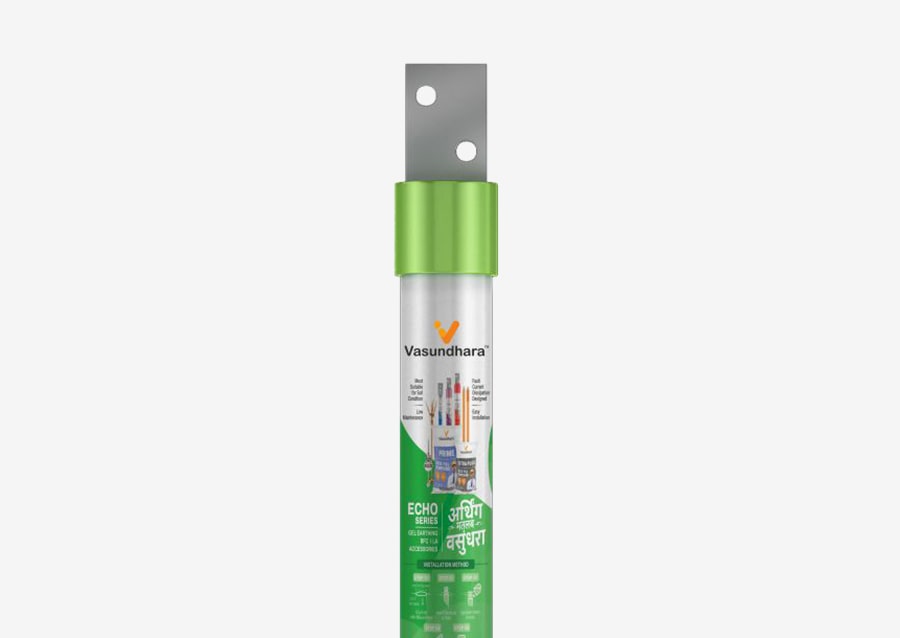
When businesses evaluate earthing systems, the questions about longevity arise along with long-term, consistent performance. Gel earthing electrodes have gained attention because they promise consistent grounding without frequent intervention. But are they actually worth considering as a long-term investment? The answer depends on how seriously you view reliability.
How Electrodes From Reliable Gel Earthing Electrode Manufacturers Deliver Consistent Performance
Unlike traditional earthing methods that usually rely heavily on moisture present in soil, gel earthing electrodes involve a conductive gel compound that is the main component here. It retains moisture while keeping the earth resistance low over time. This way, the electrodes keep buildings, electronics, and humans protected from electrical and fire hazards. This stability is significant. Seasonal changes, dry spells, or fluctuating soil conditions have far less impact, which means grounding performance stays predictable year after year.
The Maintenance Question Most People Forget
One of the biggest long-term advantages is reduced maintenance. Traditional earthing systems often need regular watering, resistance checks, and corrective work. Gel-based systems minimize these requirements, saving both operational time and recurring costs. Over a multi-year horizon, that difference becomes noticeable.
So, Are Gel Earthing Electrodes Worth the Investment?
Think it like this: if your priority is reliable electrical earthing safety with minimal maintenance requirements, gel earthing electrodes do justify the upfront cost they have. You can’t just tell that they’re compliance-driven choices, but an actual, practical investment to maintain electrical stability, safety, and long-term peace of mind.


